Distributed assets
Maintenance teams work across facilities that may be difficult to reach and cannot be supervised through informal updates alone.
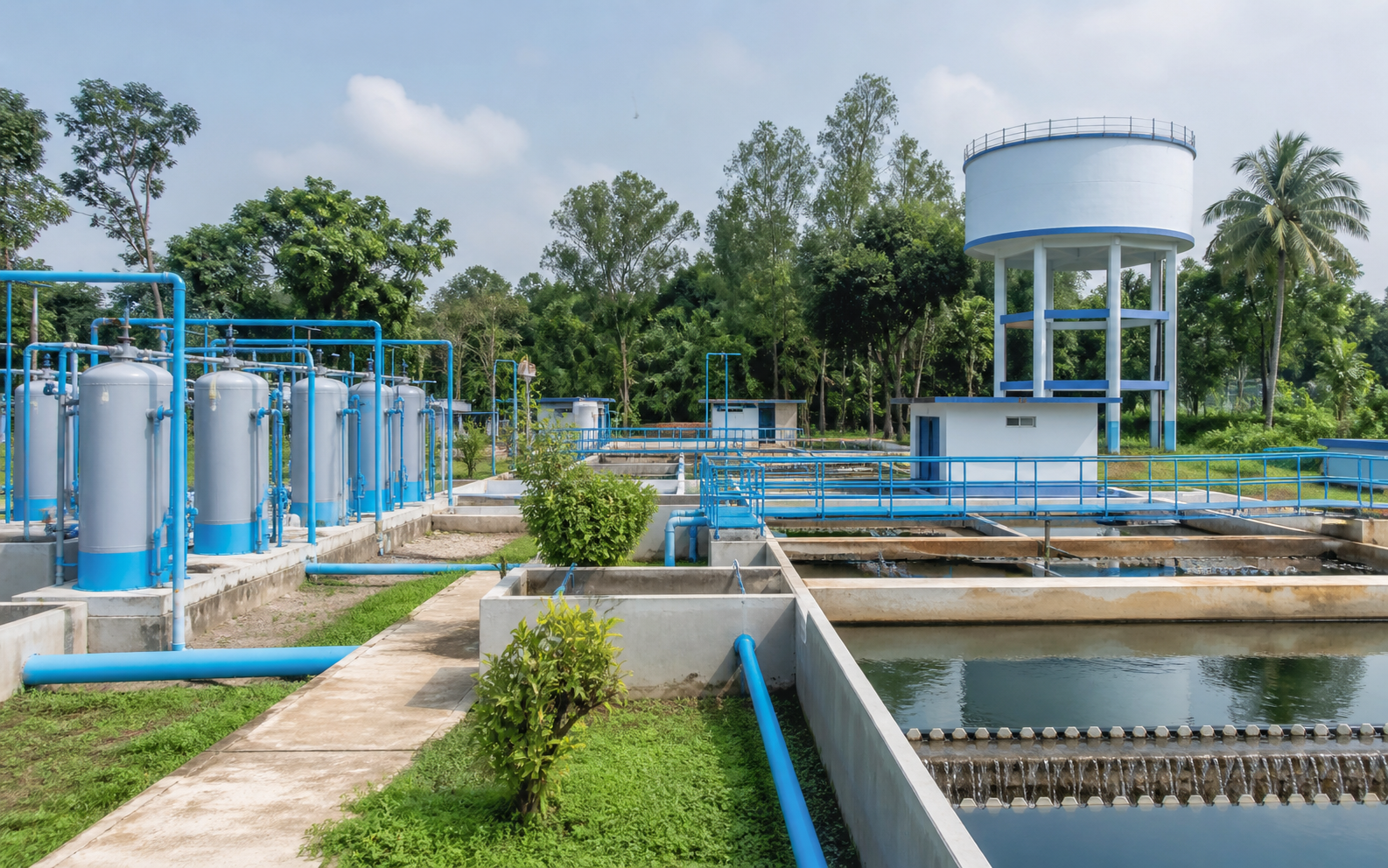 AI-generated representative scene · not a project-site photograph
Client case study · DPHE · GCA Project Module
DPHE's Post Project Operation and Maintenance Monitoring and Support System uses Tiger One and Skyhawk to turn field visits and maintenance supervision for community water systems into one structured, reviewable record.
Operation and maintenance is where water-supply infrastructure proves its long-term value. Once a project moves into routine service, teams need more than a one-time handover: they need a consistent way to record system condition, document service work, follow up on reported faults and supervise maintenance across dispersed facilities. The GCA module supports this work for community-based systems, including rainwater-harvesting and pond-based ultrafiltration configurations.
This public case study describes the system at a functional level. It does not disclose individual facilities, service records, operational findings, locations, users, budgets or internal dashboards.
Challenge
Maintenance teams work across facilities that may be difficult to reach and cannot be supervised through informal updates alone.
When field findings, repair notes and follow-up actions live in separate channels, the service history is hard to use.
Operational teams need a clear way to check reported work before it informs escalation, planning or management reporting.
Solution
Skyhawk supports consistent on-site collection while Tiger One organizes the submitted information into an operational record that can be reviewed, followed up and reported on.
The workflow can begin with a reported complaint or a planned preventive visit, so corrective and scheduled work follow the same governed process.
Tiger One brings visit records, observations, reported faults, service actions and follow-up status into a searchable service history.
Supervisors can review submissions against defined checks, identify incomplete work and maintain a clear record of review decisions.
Skyhawk records a complaint from receipt through assignment, field action, verification and closure, helping managers identify items that still need follow-up.
Date-stamped field submissions and attachments help connect a maintenance update to the evidence behind it.
Verified maintenance evidence can support contractor-bill review and payment processing within DPHE's normal approval process.
Field workflow
A complaint can trigger corrective maintenance, while a planned visit supports preventive maintenance. Both create a supervised record that helps DPHE verify completed work and review contractor bills.
A reported issue is registered for corrective follow-up.
A planned preventive visit is due against the service plan.
The responsible team receives the task and records system condition in Skyhawk.
Activities, photos and observations are attached to the maintenance record.
Supervisors review the completed work; verified evidence supports contractor-bill review and payment processing.
The system supports operational verification and payment evidence. It does not replace DPHE's financial controls, approvals or contractor-management decisions.
Complaint status journey
Like a delivery tracker, a complaint can show its current stage after submission. This gives the person who reported the issue a clear view of what has happened, what is next and whether their complaint still needs attention.
Representative complainant view
A reference number lets the complainant return to the status view without exposing internal operational details.
Status labels, update timing and notification channels can be configured to reflect DPHE's approved service process. The public illustration contains no complainant, location or maintenance data.
Reporting and bill tracking
Tiger One can turn verified field work into structured reports for operational review, while keeping contractor-wise work, submitted bills and payment-processing status connected to the evidence behind each maintenance activity. This supports budget tracking and more transparent reporting of donor-funded expenditure by linking financial progress to verified maintenance work.
Track reported complaints from receipt through assignment, field action, verification and closure, helping managers follow up on pending items.
Review corrective and scheduled work by period, system type, activity status and supervisory outcome.
See assigned work, completed maintenance activities and supporting field evidence against each contractor's record.
Track bill submission, technical verification, approval progress and payment-processing status without separating the bill from the service record, supporting transparent donor-fund expenditure reporting.
The advantage
A community water system's record can carry findings and service actions forward, helping the next team understand what happened before.
Reviewers can assess work against structured visit information and supporting evidence, rather than relying only on a narrative update.
Verified maintenance records help teams connect a contractor bill with the completed work and evidence behind it before payment processing.
This case study does not publish facility names, precise locations, asset inventories, service volumes, fault details, personnel information, photographs from the system, internal screens, contract terms or operational performance data.
One maintenance record, ready for the next visit.